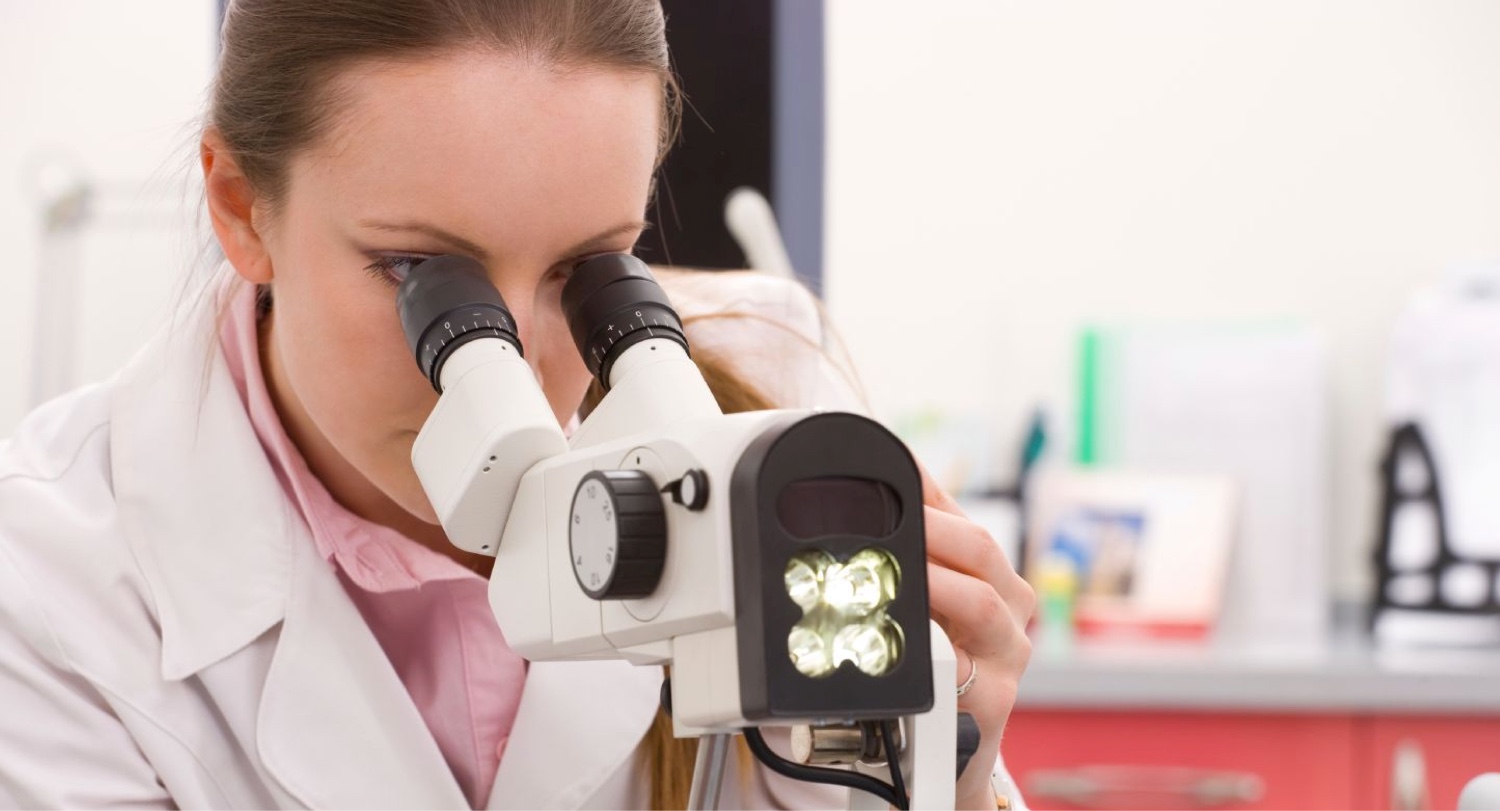
The procedure of examining the tissues of the cervix, vagina and vulva with the help of a microscopy or a special magnifying glass resembling binoculars is called colposcopy and this device, which is examined, is called colposcope. This lighted and computerized device used in the examination enlarges the image of the cervix. Thus, it provides a better examination and view of the cervix. With colposcopic examination, small pathologies (changes in cell and vascular structure) that cannot be observed with the naked eye are detected, and the findings recorded in subsequent treatments are used. During the procedure, some dyes and substances are applied to the cervix to make the suspicious areas more prominent and to identify these areas where biopsy should be taken.
During colposcopy, a speculum is used to see the vagina and cervix, just like in a normal gynecological examination. The cervix and vagina are observed with a colposcope. The main area evaluated in the examination is the area where the cell layer forming the outer part of the cervix and the cell layer forming the channel extending into the uterus are joined. This area is called the squamo-columnar junction or transformation zone. Cervical cancers start from this area. This area should be fully evaluated. Incomplete evaluation is considered to be insufficient colposcopy.
One of the important points during the procedure is to observe the vascularization in the cervix. This evaluation is made using the green light on the colposcope device after the cervix has been cleaned with saline solution. Biopsy should be taken from areas with irregular vascularity.
Acetic acid between 3% and 5% is applied to the cervix for further evaluation. Acetic acid application can be made more than once depending on the length of the process. Although this procedure may cause a slight burning, it is not a painful procedure. If there are areas containing abnormal cells in the application area, these areas turn white. These areas are called aceto-white areas. Biopsy should be taken from these areas. Biopsy can also be taken from ulcerated lesions in the examination area.
In some cases, the examination is continued with an iodine solution called lugol's solution. (Schiller Test) Areas not stained with Lugol's solution are abnormal areas and require biopsy.
All articles on this site are informational tools. The site management is not responsible for any of the results that may arise from the treatment methods read from the articles and tried at home.
Copyright © 2021 All Right Reserved. Powered By