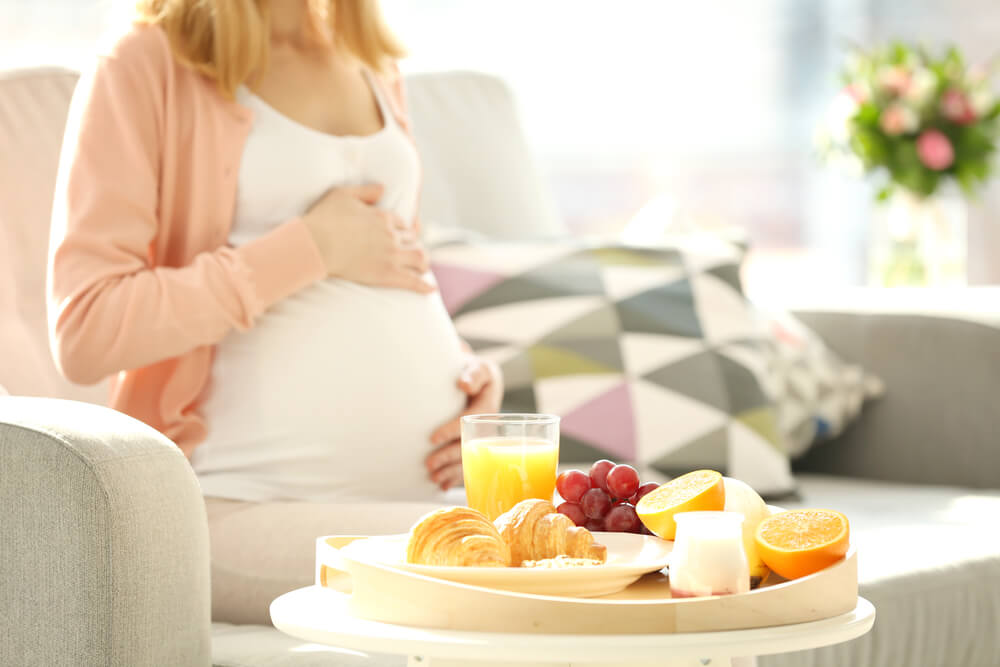
Proper and regular nutrition of the mother is of great importance for healthy baby development. Nutrition during pregnancy should be taken from all food groups in order for the baby to complete his physical and mental development. During pregnancy, the development and growth of the baby takes place through the process of carrying the daily nutrients taken by the mother to the fetus through the placenta. The fetus meets the energy and nutritional values it needs from the expectant mother's warehouse. The energy need of the expectant mother increases much more from the 20th week of pregnancy. Beginning from the second trimester of the pregnancy period, the body stores approximately 3.5 kilograms of fat to prepare the mother for breastfeeding and maintain metabolism.
Nutrition during pregnancy should be balanced and sufficient for the expectant mothers to meet their physiological needs, to keep their body stores in balance, and to ensure healthy growth of the baby. As a result of the studies carried out, nutrition during pregnancy; It has been proven that the birth weight of the baby, brain development, death in the womb directly affects the premature birth and gestational blood pressure.
Since the bone structure of the baby is from 4-6 weeks, it is very important to consume milk and dairy products in nutrition during pregnancy. At least 1 glass of milk, a bowl of yogurt, and a certain portion of cheese should be consumed every day. Since eggs are rich enough to meet our protein needs, they should be added to the diet at least 3 days a week.
Many processes such as the formation of the nervous system of the baby growing in the mother's womb, the development of muscles, and the regulation of enzymes and hormones go through protein sources. Since red meat is considered as the most important source of protein in nutrition during pregnancy, it should be included in the diet at least 2 days a week. In addition to being a source of red meat protein; It is also rich in terms of oil, water, phosphorus, sodium, magnesium, calcium, zinc, iron and copper minerals and vitamins belonging to the B group. However, in meat consumption, care should be taken to ensure that the meat is well cooked. Since undercooked meat can cause bacteria to grow in the large intestine, it is not recommended during pregnancy.
First of all, water consumption is of great importance in the feeding process during pregnancy. Water consumption reduces uterine contractions, reduces the possibility of urinary tract infections, prevents constipation and edema in the body, and prevents complaints such as heartburn and nausea. Although drinking plain water is the most beneficial, liquid needs can be met with liquids such as open tea, milk, buttermilk, soup and mineral water to complement 3 liters per day. However, acidic and carbonated beverages should be avoided during pregnancy.
Nutrition and healthy nutrition during pregnancy is an important issue contributing to the development of the baby. Protein-rich foods such as yogurt, red meat, fish, chicken, milk, cheese, beans, lentils and eggs consumed during pregnancy meet your protein needs significantly. Therefore, you should not miss them from your table. Since alcohol inhibits the development of the baby and causes mental retardation, you should definitely stay away. Fastfood foods should be avoided. Instead, it is important to eat fresh vegetables and fruits.
In addition, it is useful to stay away from extremely sweet and fatty foods and delicatessen products such as sausage and raw salami. In the second half of pregnancy, the mother's need for iron and folic acid increases. Therefore, iron and folic acid should be used under the control of a doctor. Meals should be 3 main and 3 intermediate menus and should not be hungry for a long time.
To strengthen the baby's bone structure and increase the calcium rate, sunbathing for 30 minutes in the summer will be good for both you and your baby by providing vitamin D. If there is no edema and high blood pressure, there is no salt restriction. Here, one should pay attention to taking iodized salt. Tea and coffee should not be consumed excessively. It is absolutely not right to use alcohol and cigarettes. Those who gain excess weight during pregnancy may face high blood pressure. Compared to this, there is a risk of premature birth in those who are less fed. The most important factor here is 400–500 grams per week from the 20th week of pregnancy. must be taken. If too much, carbohydrates (especially bread sweet sugar) should be cut back. Nausea and vomiting may occur in the first 3 months of pregnancy. In this case, pregnant women should not eat in the kitchen accompanied by the smell of food, but should eat less and often.
All articles on this site are informational tools. The site management is not responsible for any of the results that may arise from the treatment methods read from the articles and tried at home.
Copyright © 2021 All Right Reserved. Powered By