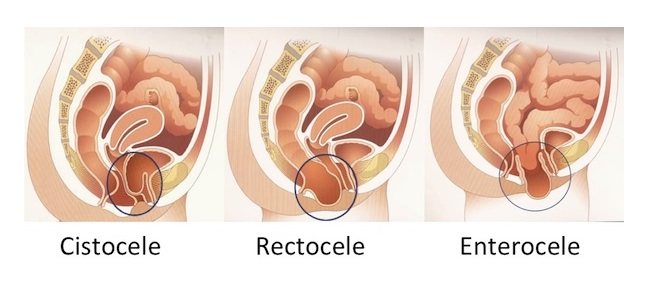
Rectocele is the bulging of the last part of the large intestine (rectum) by swelling towards the posterior wall of the vagina. It is a common condition especially in women after childbirth and often does not cause complaints since it does not show symptoms. Bladder (cystocele) or small intestines (enterocele) from other organs in the pelvic cavity may herniate towards the vagina, causing similar problems. Those who want to have rectocele - entrocele treatment can observe the symptoms and make an appointment at our well-equipped and specialist clinic.
Rectocele - Entrocele treatment usually requires thinning and weakening of the rectovaginal septum, which is the connective tissue that separates the rectum and vagina, and the weakening of the pelvic floor muscles. There are many reasons that can lead to this situation:
Vaginal delivery of one or more children increases your risk of prolapse by contributing to the weakening of your pelvic floor support structures. The more pregnancies there are, the greater the risk of developing any pelvic organ prolapse. Women who only give birth by cesarean section are less likely to develop prolapse.
Small bowel prolapse and other pelvic organ prolapse are more common with age. As you age, you tend to lose muscle mass and muscle strength in your pelvic and other muscles.
Having obstetrics, taking your uterus (hysterectomy) or surgical procedures to treat incontinence can increase your risk of developing small bowel prolapse.
Increased abdominal pressure, being overweight increases abdominal pressure, which increases your risk of developing small bowel prolapse. Other factors that increase pressure include straining during ongoing (chronic) cough and bowel movements.
Smoking is associated with the development of prolapse. Because smokers cough frequently and increase abdominal pressure.
For unknown reasons, white women have a higher risk of developing pelvic organ prolapse.
You may be genetically prone to prolapse due to connective tissue disorders, weak connective tissues in your pelvic area. This naturally makes you more susceptible to small bowel prolapse and other pelvic organ prolapse.
Complaints of the rectum:
Depending on the severity of the disease, it can vary from the feeling of fullness and pressure in the lower abdomen to the palpable mass protruding from the vagina.The feeling of incomplete emptying during defecation
If patients have complaints that affect their daily lives, rectocele - entrocele treatment should be performed. Apart from rectocele, evaluation should be made in terms of diseases that may cause complaints before treatment. Surgical and non-surgical treatment methods are available.
Non-Surgical Treatment
It is aimed to improve daily comfortable defecation habits and to go to the toilet with a soft consistency. Prevention of constipation and straining during defecation reduces the risk of developing swelling due to rectocele.
Surgical Treatment
Surgical methods can be used when non-surgical methods are insufficient and rectocele continues to hinder the patient's daily life and work. Abdominal, rectal or vaginal methods can be used for this purpose. The method suitable for the size and complaints of the rectocele is chosen. The purpose of this is to remove the tissue attached to the rectocele, to strengthen the weakened connective tissue between the rectum and the vagina by using the surrounding tissues or patch method
All articles on this site are informational tools. The site management is not responsible for any of the results that may arise from the treatment methods read from the articles and tried at home.
Copyright © 2021 All Right Reserved. Powered By