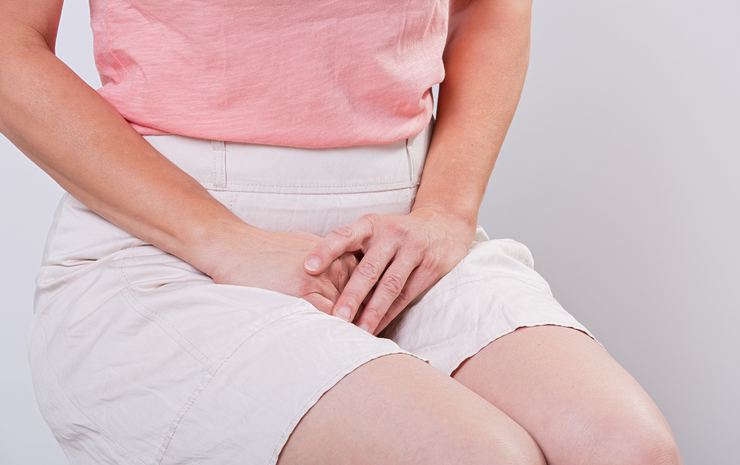
Urinary incontinence is defined as involuntary incontinence, incontinence or loss of bladder control and is a very common health problem in the society. It is more common in women. The reasons can be listed as anatomical defects, difficult vaginal births in which the baby is large, and bladder prolapse due to advanced age. Although the severity varies, coughing, laughing or urinary incontinence may occur when the intra-abdominal pressure increases, as well as sudden urination, inability to reach the toilet and urinary incontinence. Sometimes both types of urinary incontinence can be combined. Urinary incontinence treatment can be done with exercises and medically.
Urgency, urinary incontinence; It is the type of urinary incontinence that can not reach the toilet with a sudden and unavoidable feeling of urine. The most common triggers of urge incontinence are opening the door when entering the house, going out in the cold, flushing or washing hands.
Stress urinary incontinence; What is meant by stress in this type of urinary incontinence is increased intra-abdominal pressure. In other words, it is the type of incontinence that develops because the muscles and tissues surrounding the urethra cannot provide proper support around the urethra (urinary tract) in situations that increase intra-abdominal pressure, such as coughing, sneezing, straining or laughing. It is especially common in women who give birth.
All of these reasons are situations that require urinary incontinence treatment.
Urinary incontinence treatment is divided into two as medication and surgical intervention.
Drug therapy: Depending on the type of urinary incontinence, patients may benefit from drug treatments. Drug treatments are one of the effective options, especially in urinary incontinence due to compression. Since such drugs may have some side effects and may negatively interact with some drugs used for other purposes, their use by a specialist should be recommended.
Surgical treatment: Surgical treatments may be considered as a treatment for urinary incontinence in patients whose lifestyle cannot be changed, whose complaints are more severe and who do not respond to drug treatments. Sometimes patients may prefer surgical treatment because their social conditions may be negatively affected due to serious deterioration in their quality of life.
Pesari is a hard ring that is placed in the vagina. It helps lift the bladder up and prevent leakage. With radiofrequency treatment, the tissue in the lower urinary tract is heated. It is usually tighter when it heals, and treatment for incontinence results in better urine control. Vaginal, closed methods are generally preferred for suitable patients. The purpose here is; to provide support to prevent urinary incontinence. In patients without significant prolapse in the urinary bladder, the problem is permanently resolved with a 15-20 minute surgery. In suitable patients, these operations can be performed with local anesthesia and outpatient hospitalization. The patient is usually discharged on the same day and the effect of the surgery can be felt the next day. In patients with mild-moderate complaints, the problem is completely solved with a rate of up to 90% and without serious side effects
Diagnosis
It is important to determine the type of incontinence you have, and your symptoms will usually tell your doctor which type you have. This information will guide the treatment method. Your doctor will likely start with a comprehensive medical history and physical exam. You may then be asked for a simple method that can indicate urinary incontinence, such as cough.
After that, your doctor will likely suggest:
• Urine test:
A sample of your urine is evaluated for signs of infection, traces of blood, or other abnormalities.
Bladder diary:
You record how much fluid you drink over the course of a few days, how often you urinate, the amount of urine you produce, and whether there is an urge to urinate.
Post-void residue measurement:
You will be asked to urinate in a container that measures urine output. Your doctor will then check the amount of urine remaining in your bladder using a catheter or an ultrasound test. Having a large amount of residual urine in your bladder can mean a blockage in your urinary tract or a problem with your bladder muscles.
Also Your Doctor May Recommend:
Bladder training is to delay urination after getting the urge to go. You can start by trying to wait 10 minutes each time you feel the need to urinate. The goal is to extend the time between going to the toilet until you only urinate every 2.5 to 3.5 hours.
Fluid and diet management is also important to regain control of your bladder. You may need to avoid consuming alcohol, caffeine or acidic foods. Reducing fluid intake, losing weight, or increasing physical activity can also help.
All articles on this site are informational tools. The site management is not responsible for any of the results that may arise from the treatment methods read from the articles and tried at home.
Copyright © 2021 All Right Reserved. Powered By